
How Paver Hardscaping Improves Drainage Around Your Home
Hiring local contractors for paver hardscaping can help improve drainage around your home by creating properly graded surfaces and effective water flow management.
Understanding how paver hardscaping improves drainage around your home can be essential for maintaining a safe and functional outdoor space. Many property owners in the area are exploring this topic because proper drainage helps prevent issues like flooding, erosion, and water pooling that can damage landscaping or compromise the foundation. Paver hardscaping offers practical solutions by creating durable surfaces that facilitate water flow and reduce runoff problems, making it a popular choice for those looking to enhance both the beauty and practicality of their property.
For those considering improvements, local contractors specializing in paver hardscaping can provide expert guidance on designing and installing systems that optimize drainage around the home. These professionals understand the local conditions and can recommend tailored approaches that incorporate permeable pavers, proper slope grading, and drainage channels. Exploring these options can lead to more effective water management, helping property owners protect their investments while adding attractive, functional hardscape features. Keep reading to learn how local experts can assist in achieving better drainage through paver hardscaping.
- **Paver Driveways** - Homeowners experiencing drainage issues around their driveway can benefit from paver hardscaping, with local contractors designing permeable surfaces that direct water away from foundations.
- **Patio and Walkway Installations** - When improving yard drainage, local service providers often incorporate paver patios and walkways with proper slope and drainage features to prevent pooling.
- **Retaining Wall Construction** - For properties with uneven terrain, local pros build paver retaining walls that help manage water runoff and reduce soil erosion.
- **Drainage Channel Paving** - In cases of excess surface water, local contractors install paver drainage channels to effectively redirect water flow around the home.
- **Landscape Borders and Edging** - To improve overall drainage, local service providers create paver borders and edging that help contain soil and direct water to designated drainage areas.
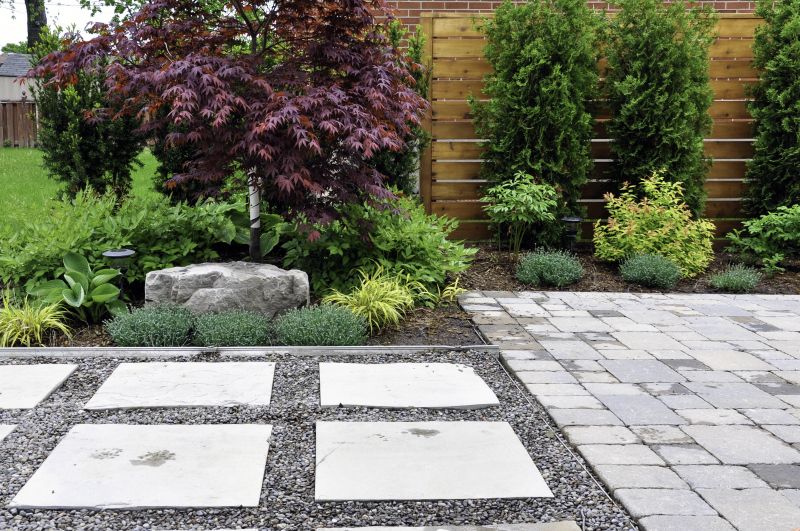
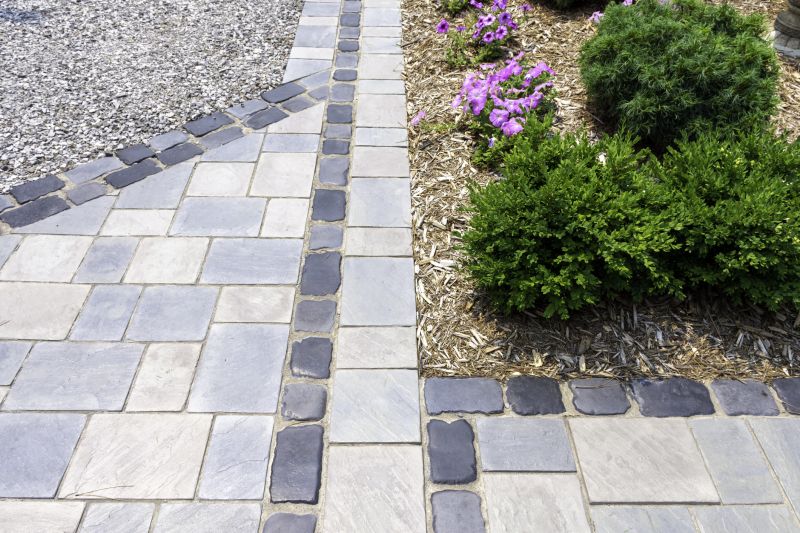
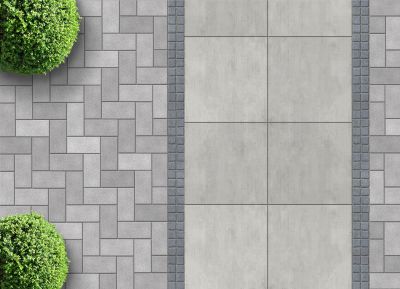
When homeowners search for how paver hardscaping improves drainage around their home, they are typically interested in understanding how this type of landscaping can help manage excess water and prevent common issues like flooding or pooling. Many are dealing with yard areas that tend to collect water after heavy rains or are concerned about water seeping into their basements or damaging their foundation. The goal is often to find practical solutions that enhance both the functionality and appearance of outdoor spaces, ensuring proper water flow away from the house. This search may also relate to plans for installing patios, walkways, or driveways that need to be both durable and capable of supporting effective drainage.
These concerns are especially relevant for properties with sloped yards, uneven terrain, or areas prone to poor drainage. Homeowners might be exploring options to redirect runoff, reduce erosion, or create level surfaces that do not trap water. Paver hardscaping offers a way to integrate drainage solutions seamlessly into the landscape design, such as incorporating permeable pavers or designing graded surfaces that facilitate water flow. Many property owners are also considering how to prevent water from pooling around foundations or in low-lying spots, which can lead to structural issues over time.
The types of properties that often come up in these discussions include residential homes with yards that have natural slopes or uneven ground, as well as properties with existing concrete or asphalt surfaces that may not drain effectively. Larger properties with extensive outdoor spaces or landscaped areas are also common candidates for paver hardscaping projects aimed at improving drainage. Even urban or suburban homes with tight lot lines can benefit from properly designed hardscape features that help manage stormwater runoff. Local contractors experienced in paver hardscaping can evaluate these property features and recommend solutions tailored to each site’s specific drainage needs.
Understanding how paver hardscaping improves drainage around a home involves recognizing the practical ways these installations can address water management challenges. Paver systems can be designed to include slope grading, drainage channels, or permeable pavers that allow water to pass through rather than pool on the surface. These features help direct water away from the house, reducing the risk of basement flooding, foundation damage, or landscape erosion. When considering a hardscaping project, it’s important for homeowners to work with local service providers who understand the local climate and soil conditions, as they can recommend the most effective solutions to keep outdoor spaces functional and dry.
Retaining wall installation - this project involves planning and constructing structures that manage soil and water flow, similar skills used in paver hardscaping to improve drainage around your home.
Drainage system design - designing effective drainage solutions requires understanding of water flow and grading, which complements the skills used by local contractors in paver hardscaping projects.
Landscape grading and leveling - adjusting soil slopes and levels to direct water away from foundations shares planning and execution techniques with paver hardscaping for better drainage.
Permeable paving installation - installing permeable surfaces involves similar tools and planning to paver hardscaping, focusing on water infiltration and drainage management.
Stormwater management features - creating features like rain gardens or water basins requires knowledge of water flow, aligning with the expertise of local service providers in paver hardscaping.
Soil stabilization projects - stabilizing soil to prevent erosion and improve water absorption involves planning and construction skills common to paver hardscaping services aimed at drainage improvement.
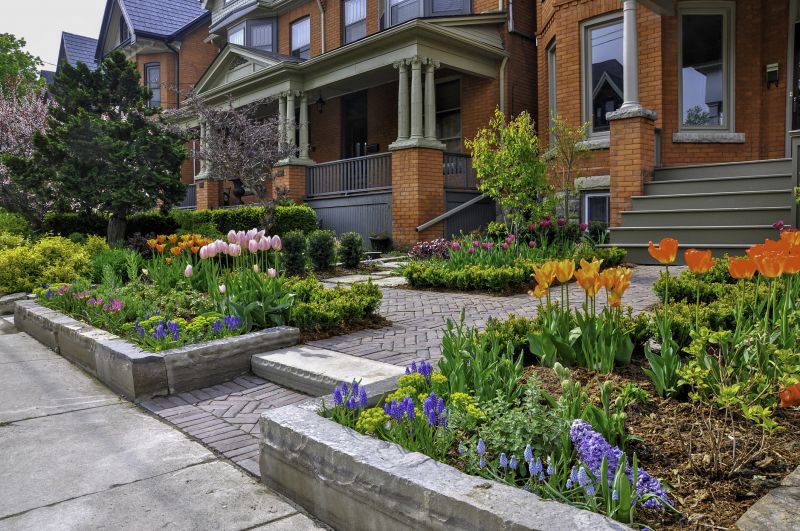
When evaluating local contractors for paver hardscaping projects focused on improving drainage around a home, experience with similar projects is an important factor. Homeowners should look for service providers who have a proven track record in designing and installing paver systems that address drainage concerns effectively. Asking about previous work or seeking examples of completed projects can help gauge a contractor’s familiarity with the specific challenges associated with drainage and paver hardscaping. Contractors with relevant experience are more likely to understand how to incorporate proper slope, drainage channels, and permeable paver options to ensure water flows away from the foundation and reduces potential issues.
Clear written expectations are essential to ensure that homeowners and service providers are aligned on project scope and outcomes. When comparing local contractors, it’s helpful to review detailed proposals or estimates that specify the work to be done, materials to be used, and the desired results related to drainage improvement. This transparency helps prevent misunderstandings and provides a basis for assessing whether the contractor’s approach matches the homeowner’s goals. Clear communication about project details also facilitates a smoother process and ensures that everyone is on the same page regarding how paver hardscaping will contribute to better drainage around the home.
Reputable references and good communication are key indicators of a trustworthy service provider. Homeowners should seek out local contractors who can provide references from past clients, especially those who had similar drainage or hardscaping needs. Speaking with previous customers can offer insights into the contractor’s reliability, quality of work, and how well they communicated throughout the project. Additionally, responsive and clear communication during the inquiry process suggests that the contractor values client needs and will be accessible for questions or concerns during the project. Choosing a provider with strong references and open communication can help ensure that the project results meet expectations for improving drainage with paver hardscaping.
Property owners often search for how paver hardscaping improves drainage around your home when they are planning practical projects around their homes and businesses. Local pros provide Paver Hardscaping services for everyday jobs and straightforward project options.
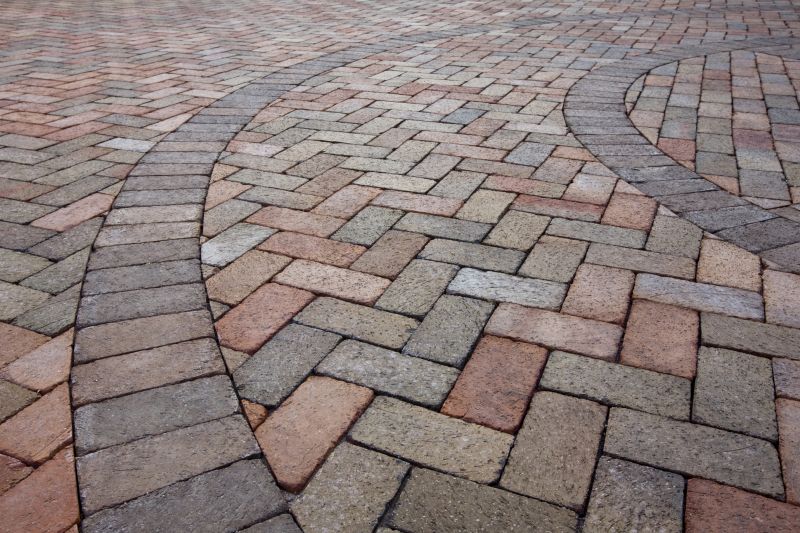
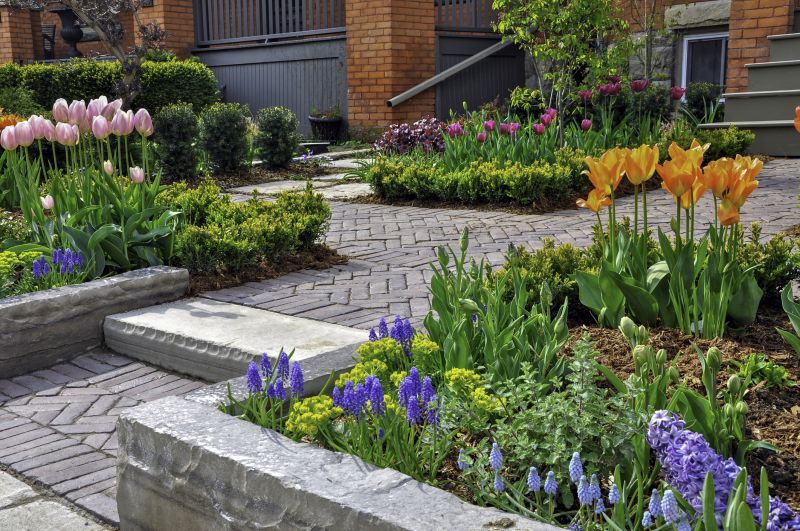
Many property owners in the area are increasingly exploring how paver hardscaping improves drainage around their homes as a practical way to manage water runoff and prevent pooling during heavy rains. Installing paver surfaces such as patios, walkways, or driveways can help direct water away from the foundation and reduce the risk of flooding or erosion in yards. Local contractors who specialize in paver hardscaping can assess the landscape and design solutions that enhance drainage while adding aesthetic appeal to outdoor spaces, making it easier to handle seasonal storms and everyday rain.
Homeowners often seek out paver hardscaping services to address common drainage issues they face around their properties. Properly installed paver surfaces create permeable areas that allow water to flow naturally into the ground, reducing surface runoff and minimizing pooling. Local service providers experienced in paver hardscaping can recommend and implement drainage-friendly layouts that improve the overall functionality of outdoor areas, helping property owners maintain a dry, stable landscape even during periods of heavy rainfall.
How does paver hardscaping improve drainage around my home? Paver hardscaping helps manage water runoff by creating permeable surfaces that allow water to flow naturally into the ground, reducing pooling and erosion around your property. Local contractors can design and install systems that direct water away from foundations and other vulnerable areas.
Can paver hardscaping reduce the risk of water damage to my home? Yes, properly installed paver hardscaping can improve drainage and prevent excess water from accumulating near your foundation, lowering the risk of water intrusion and damage. Experienced service providers can tailor solutions to your landscape and drainage needs.
What features in paver hardscaping help with drainage? Features such as permeable pavers, drainage channels, and graded surfaces facilitate water movement and absorption, helping to control runoff. Local pros can incorporate these elements into your hardscape design for effective drainage management.
Are there specific paver styles that enhance drainage performance? Yes, pavers with permeable surfaces or those installed with gaps to allow water flow are designed to improve drainage. Service providers can recommend and install these styles to optimize water management around your home.
How do local contractors ensure proper drainage when installing paver hardscaping? They assess your landscape, design graded surfaces, and select appropriate permeable materials to ensure water flows away from your home effectively. Proper installation by experienced professionals is key to maximizing drainage benefits.
Permeable paver installation - incorporating permeable pavers allows rainwater to seep into the ground, reducing runoff and pooling around the home.
Designing proper drainage pathways - local contractors can create strategic drainage channels integrated into paver layouts to direct water away from foundations.
Creating sloped surfaces - installing pavers with gentle slopes helps guide water toward designated drainage areas, preventing erosion or flooding.
Using gravel-filled joints - filling paver joints with gravel enhances water infiltration and supports efficient drainage around walkways and patios.
If you are thinking about how paver hardscaping improves drainage around your home for a property, this guide is meant to help you understand this topic, the typical project types, and how different options might fit your plans.
When you are ready, you can use the quote form on this page to share a few details about your project. From there, local pros can review the basics and follow up with options that match what you have in mind.